
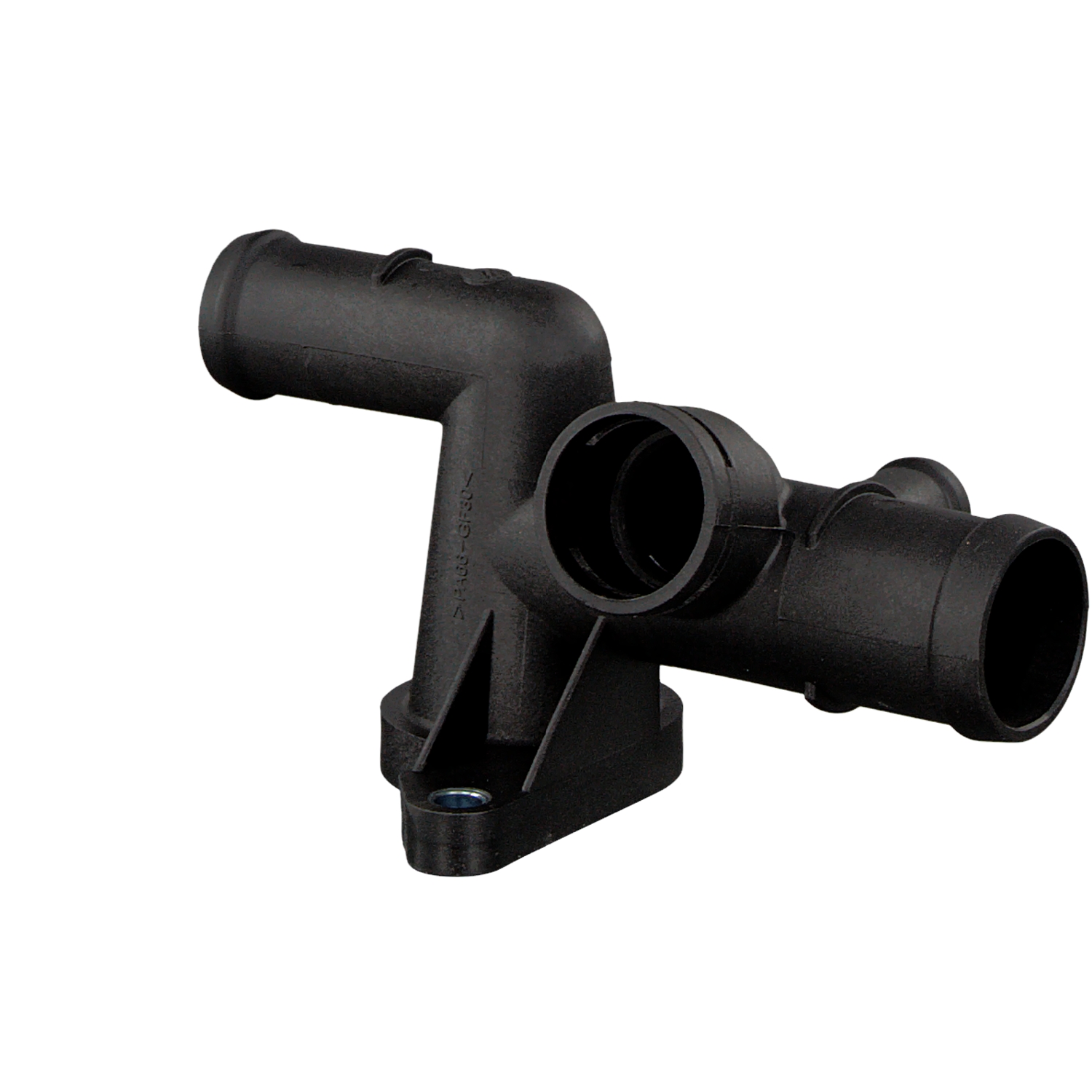
coolant flange for my car
Water outlet for car

Catalog of Coolant flange manufacturer
Coolant flange for other makes of cars
Coolant flange for cars
Bestsellers: Coolant flange for car




-
Best prices
 Buycarparts.co.uk guarantees high-quality car parts at very attractive prices.
 -
Save on shipping
 Free shipping within the UK applies to orders over £130.00 and excludes bulky items, tyres, or core parts.
 -
Wide choice
 We currently have over 5,000,000 car parts in our product range.
 -
Fast delivery

Shipping methods

Replace a Spare part Coolant flange – a defective one or if the limit of use has been already reached. Find out useful information about Coolant flange
Faults of flange
- cracks;
- corrosion on the working surface;
- blockage of the flange;
- displacement of the part.
Symptoms of flange faults
- a gradual decrease in the antifreeze level;
- appearance of coolant traces;
- frequent engine overheating;
- reduction in engine power;
- increased fuel consumption;
- antifreeze smell in the cabin.
Causes of flange faults
- temperature changes;
- impact of reactive chemicals;
- wear;
- Improper maintenance of the cooling system;
- exposure to moisture and dirt.
Diagnosis of flange
It is recommended to check that there are no leaks and control the level of anti-freeze daily. Every 10 thousand kilometers run requires a mandatory diagnosis. Inspect if there are cracks in the part or there is a leak from the flange. The best diagnosis option is checking the fluid level in the expansion tank. This figure should be 30-40 mm above the minimum level. Recall that when the engine is running, and for several minutes after stopping the liquid level can be increased.
Replacement of flange
Due to the low cost of the flange it is wiser to immediately replace the kit, rather than spending time and money on repairs. To replace the faulty flange for the new, you should:
- drain antifreeze into the prepared container;
- disconnect hoses;
- when replacing the front flange disconnect the electrical wiring to the coolant temperature sensor;
- unscrew the replacement part and carefully remove it;
- prepare the place where you want to install the new part (may need cleaning with a file and degreasing);
- apply sealant to the installed part and mount it on the seat;
- tighten the nuts;
- attach hoses;
- set the coolant temperature sensor;
- pour antifreeze.
Thereafter, it is recommended to start the engine, bringing it up to operating temperature, gradually add the engine speed to medium (or higher) and hold for several minutes. If necessary, add antifreeze into the tank to bring it to the desired level. This procedure is required to bring air out of the cooling system. We remind you that the flange should be replaced every two years, and in some cases every 60 thousand kilometers.