
alternator for my car
Alternators for car

Catalog of Generator manufacturer
Alternator for other makes of cars
Alternator for cars
Bestsellers: Generator for car




-
Best prices
 Buycarparts.co.uk guarantees high-quality car parts at very attractive prices.
 -
Save on shipping
 Free shipping within the UK applies to orders over £140.00 and excludes bulky items, tyres, or core parts.
 -
Wide choice
 We currently have over 5,000,000 car parts in our product range.
 -
Fast delivery

Shipping methods

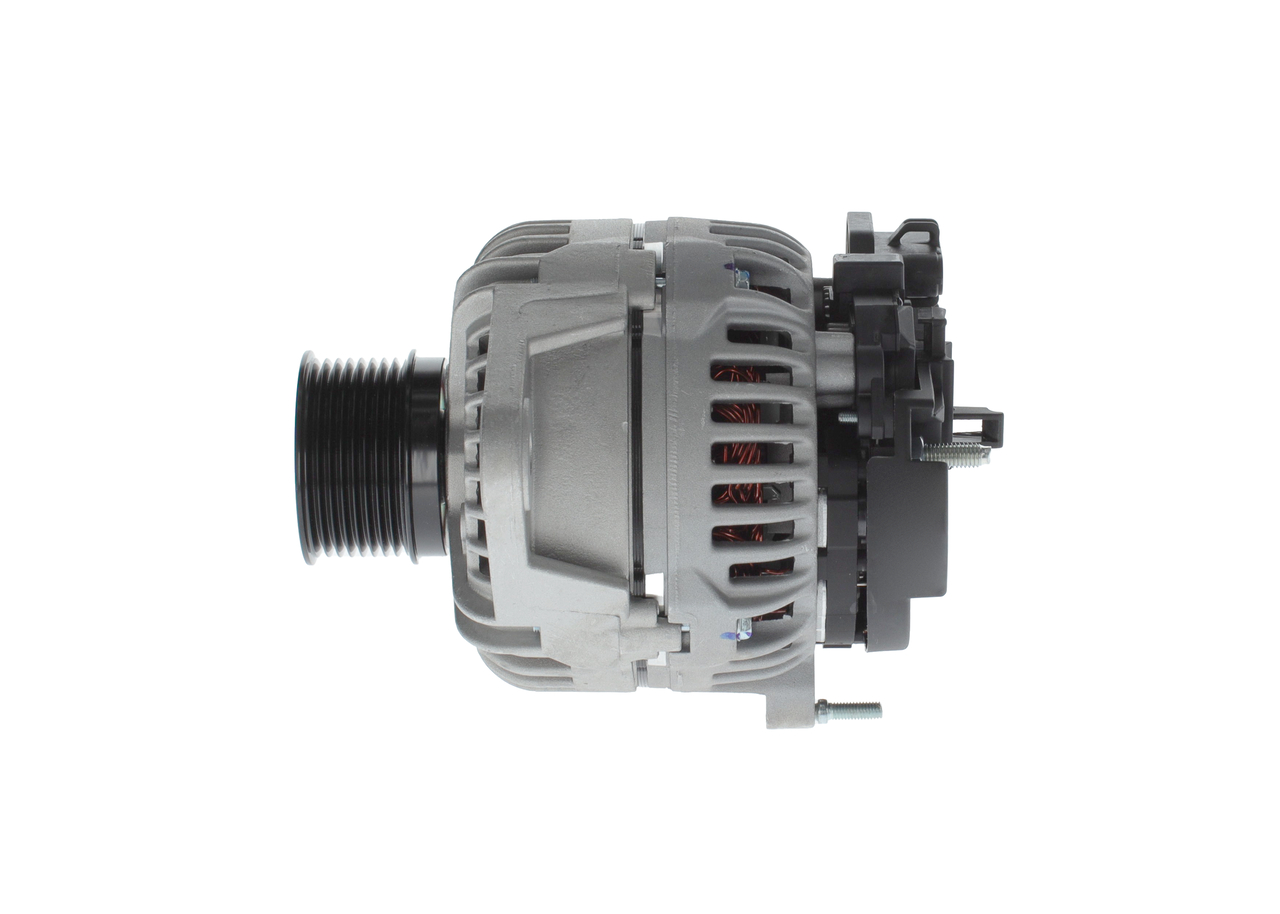
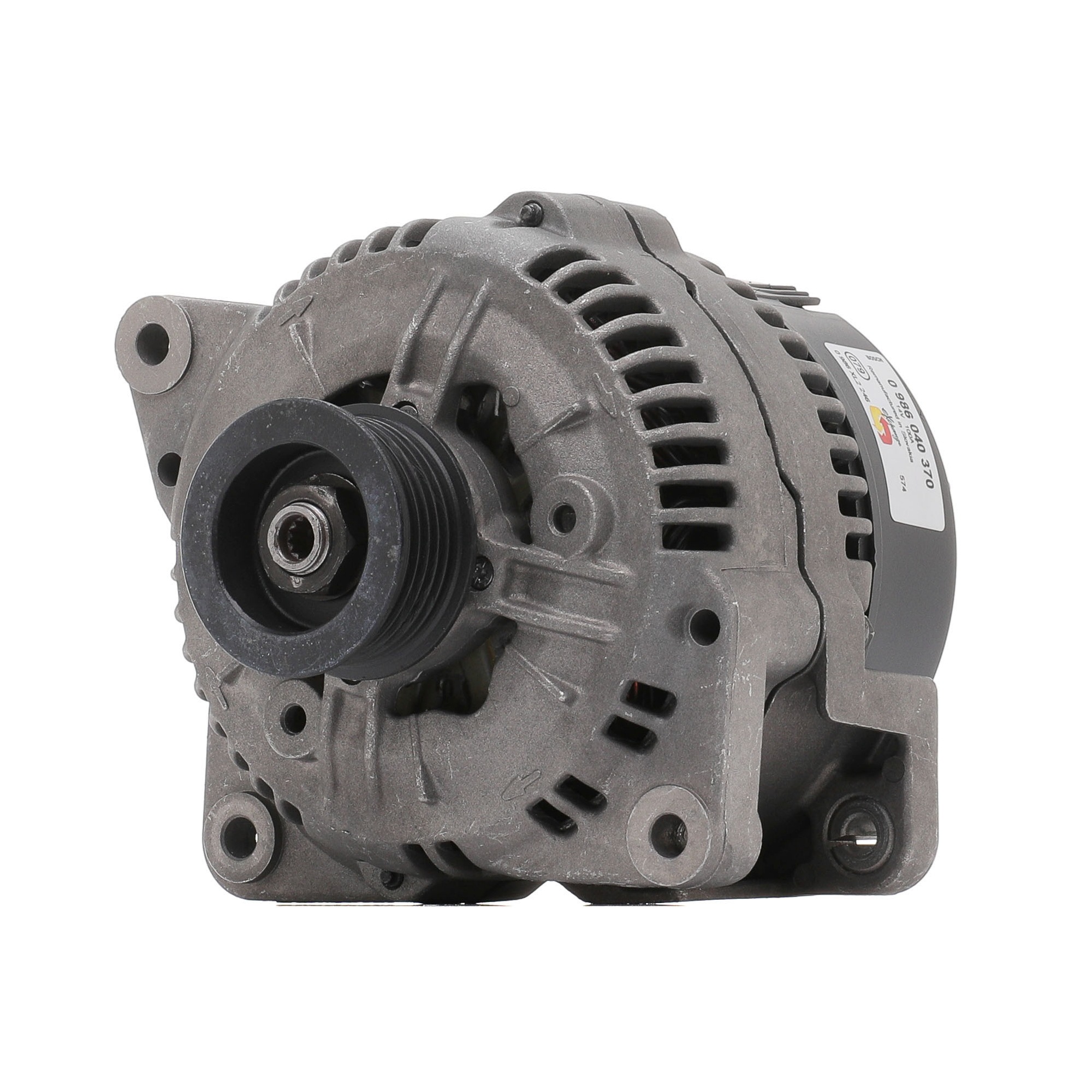
Replace a Spare part Alternator – a defective one or if the limit of use has been already reached. Find out useful information about Alternator
Malfunctions of the alternator
- pollution, burning or oiling of slip rings;
- slipping of the drive belt;
- field break;
- wear or destruction of the bearings;
- loose nut of a pulley;
- contact of rotor and stator poles;
- wear of the bearing seat;
- oxidation of brushes.
Symptoms of alternator faults
- discharging or overcharging (gassing) of the battery;
- strange sounds in the alternator;
- battery charge warning light continuously blinks or is on when the engine is running;
- dim light of car headlights;
- rattling or quiet sound when the engine is running;
- extremely high rate of on-board network voltage level;
- a significant change in the light brightness with increasing number of turns.
Causes of faulty alternator
- using components of low quality;
- substantial wear or corrosion of the alternator;
- breaking of voltage regulator;
- breakage or deformation of contact springs;
- violation of operation rules when working outside normal mode;
- external factors:
- dirt;
- high temperature;
- salt;
- water;
- road chemicals.
Diagnostics
It is recommended to diagnose the alternator state by means of special measuring instruments: voltmeter or ammeter. You can diagnose the alternator both independently or turn to professionals who will make the necessary measurements on a special stand. If you want to diagnose the part by yourself, then measure the voltage at the battery terminals. Then start the engine and make the same measurements. The norm is: 12 before the engine start, from 13.8 to 14.4 after the start. If you have recorded a higher voltage, then there is "overcharging" (faulty voltage regulator), if low voltage then the current does not flow.
Repair and replacement of alternator
The service life of the alternator does not exceed 160 thousand kilometers. Any mechanical problem can be resolved by replacing the faulty units and components. If you have an older model car alternator you may need to bore slip rings. Drive belts are changed due to wear, the maximum extension or expiration of service life. Alternator rewinding is sometimes found among the services of mechanics, but more and more seldom due to a high cost and inexpediency.
Helpful tips on operation, causes of faults, troubleshooting, and service intervals
FAQ: Frequently asked questions
A simple testing of an alternator can be done without removing it, but just using a multimeter. For this you should:
- Connect the measuring device to the battery terminals observing the polarity. When the engine isn’t running, the voltage should be between 12.5 and 12.7 V.
- Start the engine without turning on any power consuming devices – normally the voltage should increase to 13.8–14.5 V.
- Increase the load on the battery by turning on all car systems with high power consumption, for example, the air-conditioning, lighting, heated seats, and so on. The voltage should drop to between 13.7 and 14.0 V.
- Make sure that the component doesn’t produce sparks, its housing and wires are not damaged, and that the drive belt isn’t worn out.
A more accurate diagnosis requires the part to be removed. For this, disconnect:
- The negative battery terminal;
- Battery and fuse wires;
- The drive belt.
Next, remove and disassemble the component. Measure the resistance of the rotor and stator windings using the multimeter. Check the resistance of the alternator's diode bridge as well, by attaching the multimeter probes to the diodes and the rectifier plate. Afterwards, swap the probes around and repeat the procedure. Compare the recorded values with those specified by the vehicle’s manufacturer.
The exact procedure will depend on the vehicle’s make and model. Detailed instructions are usually provided in the car owner’s manual. You will need electrical skills to be able to replace the brushes, the clutch, a rotor bearing, or the diode bridge yourself. If you need to install a new component, follow these steps:
- Disconnect the negative battery terminal.
- Remove the alternator drive belt.
- Mark or remember the wires that are connected to the battery and fuse box.
- Remove all components that prevent access to the part.
- Remove the wiring having unfastened all of the clips.
- Remove the alternator.
- Install a new part by following the instructions in reverse.
Clean the part periodically with compressed air and check the tension of the drive belt. Ensure the parts are all tightly fastened and lubricate the bearings. Replace the brushes if they are worn out.